
Holland Casino
Nederland is niet alleen een van de populairste toeristische bestemmingen in heel Europa, het is ook de thuisbasis van een aantal offline casino’s die consequent in de top 10 staan van populairste gokgelegenheden in heel Europa. Gokkers die een reis naar Nederland plannen, moeten ten minste een paar Nederlandse casino’s bovenaan hun to-do lijstje zetten.
In dit artikel kijken we naar de beste Nederlandse casinolocaties waar u heen moet als u een avondje wilt dobbelen en kaarten wilt gooien. We concentreren ons op verschillende kenmerken van elke locatie die uw interesse zullen wekken.
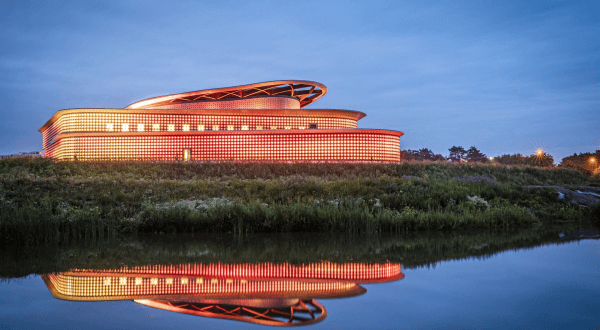
Holland Casino Scheveningen
Voors | Nadelen |
Dicht bij de zee | Kan soms vrij druk zijn |
Speelbare versies van live tafelspellen |
Gamers die naar Nederland reizen zullen ontdekken dat dit een van de beste locaties is met fascinerende dingen om aan deel te nemen gedurende hun tijd daar. Het casino, dat de meest recente locatie is die door Holland Casino is gebouwd, beschikt over enkele van de meest recente technologische ontwikkelingen. De helder verlichte gevel kan zelfs worden geprogrammeerd om een verscheidenheid aan ontwerpen te produceren.
De buitenkant van het casino in Scheveningen heeft een prachtig en uitnodigend aspect, en de toevoeging van LED-verlichting geeft het een heldere en opvallende uitstraling. Live dealer spellen zoals blackjack, craps, Pai Gow, poker en baccarat worden aangeboden aan de vele tafels in dit Holland casino. Naast de tafels zijn er meer dan honderd speelautomaten waaruit u kunt kiezen.
Holland Casino Utrecht
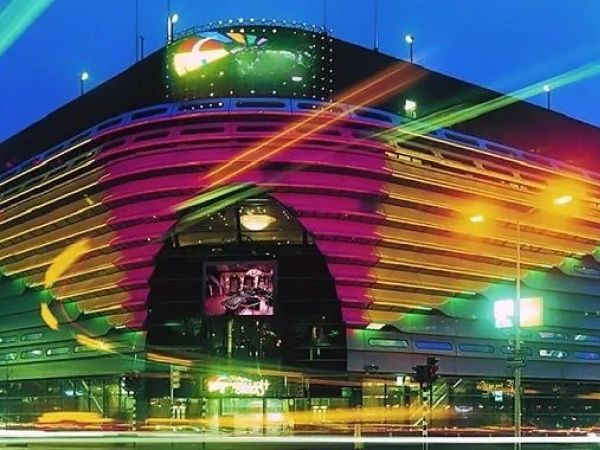
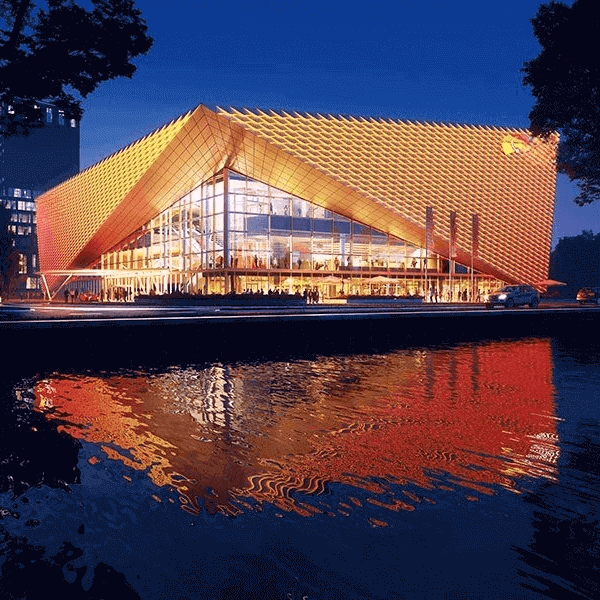
De buitenkant van het Holland Casino Utrecht is prachtig, maar het interieur is nog veel opmerkelijker. Deze gokgelegenheid biedt spelers toegang tot live tafels voor traditionele casinospelen zoals blackjack, baccarat, poker en Amerikaanse roulette. Deze worden versterkt door de aanwezigheid van een pokerkamer.
Naast een casinovloer waar duidelijk aandacht aan is besteed, beschikt de locatie ook over een gedeelte met een bar en een restaurant waar klanten kunnen ontspannen en wat luchtig plezier kunnen beleven in een informele setting.
Voors | Nadelen |
Super swanky hangplek voor game avond | Rokers zijn verplicht om naar buiten te gaan |
Toegang tot roulette en andere tafelspellen |
Holland Casino Zandvoort
Voors | Nadelen |
Traditionele tafelspelen toegankelijk | Extra speeltafels zouden gewaardeerd worden |
Meer dan 150 verschillende speelautomaten |
De kansspelindustrie in Nederland bloeit, en een van de meest prominente bedrijven in de sector is Holland Casino, dat een enorme voorraad heeft. De Holland Group of Casinos bestaat in totaal uit acht verschillende fysieke casino’s, waarvan er één in Zandvoort is gevestigd. U zult merken dat de sfeer van het casino comfortabel en uitnodigend is.
U beschikt over een verscheidenheid aan spellen waarbij de beste traditionele tafelspellen het grootste deel van de casinovloer in beslag nemen. Wanneer u een spel wilt spelen dat snel gaat, heeft het casino naast de tafels met live dealers ook geautomatiseerde tafels waar u virtuele spellen kunt spelen. Gokkasten spelers hebben meer dan 150 verschillende machines om uit te kiezen wanneer ze het casino bezoeken. Spelers op de speelautomaten in het casino hebben de mogelijkheid om deel te nemen aan een van de vier jackpots die er worden aangeboden en die elk een levensveranderende hoeveelheid beloningsgeld bieden.
Jack’s Casino Sassenheim
Voors | Nadelen |
Honderden spellen verspreid over drie verdiepingen | Minder attracties in de omliggende grote steden |
High rollers hebben hun eigen privéruimte |
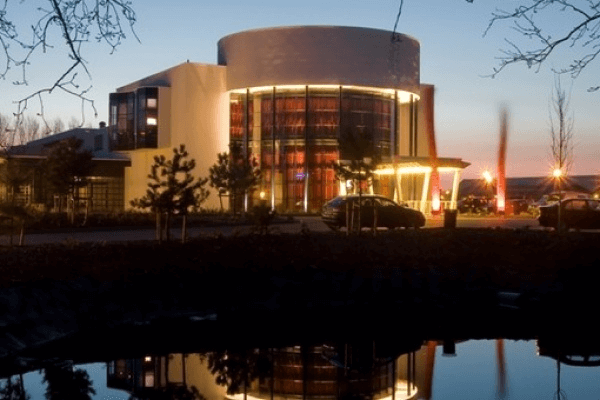
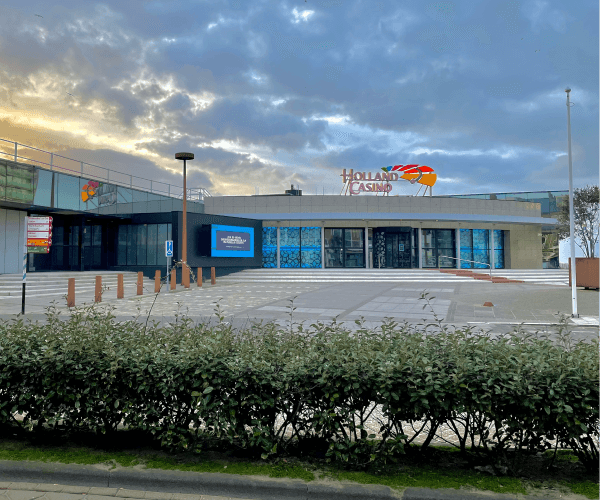
Het Jack’s Casino herschept de sfeer en uitstraling van Las Vegas. De elegant ingerichte casinovloer beschikt over een aparte speelzaal die uitsluitend is gereserveerd voor high rollers en biedt een verscheidenheid aan spellen met verhoogde inzetlimieten. Spelers bij Jack’s Casino krijgen de mogelijkheid om een casinopakket te kopen dat niet alleen hun tijd om te gokken omvat, maar ook hun accommodatie en maaltijden.
Dit soort pakketten geven u een van de beste kortingen die u kunt krijgen bij Nederlandse casino gelegenheden, naast de mogelijkheid om gratis speelpunten te claimen waarmee u kunt inzetten zonder het risico te lopen om uw eigen geld te verliezen.
Holland Casino Venlo
Voors | Nadelen |
Fatsoenlijk aantal videospeelautomaten | Roken moet in de open lucht gebeuren |
Zowel elektronische als conventionele tafelspelen |
Het Holland Casino Venlo is sterk beïnvloed door de traditionele oosterse architectuur en heeft een paar olifanten bij de ingang. Het werd in 2006 opgericht en is nu een van de langstlopende locaties van Holland Casino.
Honderdvijftig van de beste videoslots zijn hier beschikbaar, maar royale gratis spins bonussen zijn ongewoon. Daarnaast zijn er een tiental elektronische terminals met varianten op roulette. Er zijn 12 speeltafels beschikbaar, die het volledige scala aan traditionele casinospelen aanbieden. Er is ook een speciale pokerruimte, compleet met spannende toernooien.